What’s in the Bag? A First Look at Drop Bags for Willow and Icebox
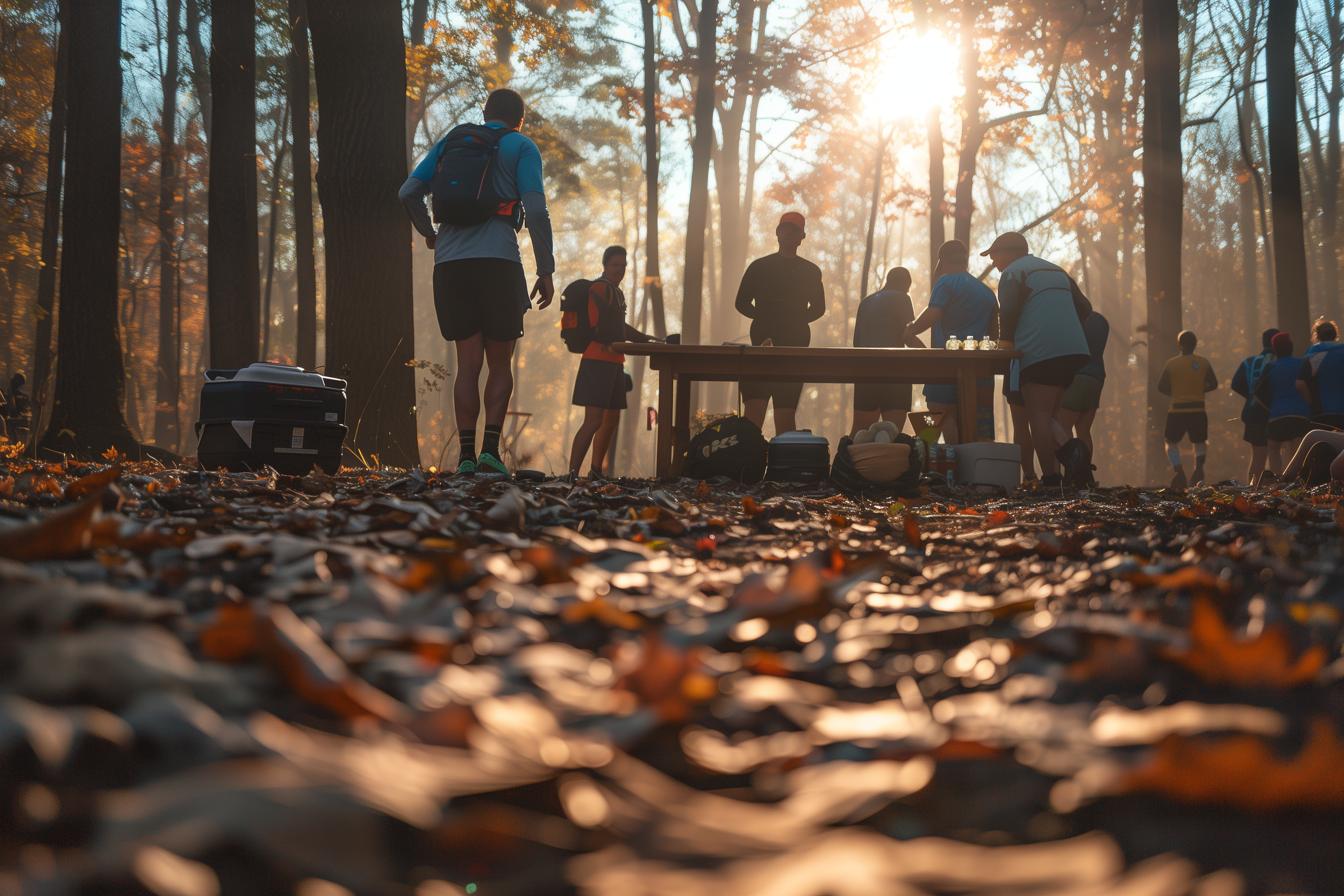
Icebox 2024 Drop Bag area
If you hang around ultras long enough, you’ll hear someone casually say, “I’ll grab it from my drop bag.”
If you’re new, you nod as you understand… and then quietly Google it later.
A drop bag is nothing fancy. It’s simply a bag of your own gear that you hand over before the race. The race team places it in a designated spot on the course so you can access it later. It’s your personal stash. Your backup plan. Your “future me might need this” kit.
At the Willow 20-Mile Trail Race, the detail that matters is this: you won’t see your drop bag until you finish the first 10-mile loop and head back out for the second. You run the entire first loop without it. Then, right as you start loop two, there it is waiting for you.
That changes how you should think about it.
The first 10 miles are usually run on fresh legs and fresh optimism. You’re dialed in. Your pacing feels responsible. You’re telling yourself this is completely manageable. And it is. But 10 miles on the trail has a way of revealing little things. A sock that feels slightly off. A flavor of gel you suddenly can’t stand. A bottle that didn’t quite carry as much as you thought it would.
Your drop bag at Willow isn’t there to rescue you early. It’s more like halftime in a football game. You come through, take a breath, adjust, and head back out with a clearer picture of what the second half might demand.
If you’re new to ultras, the best way to think about what to put in that bag is simple: what might mile 10 you want that mile 0 you didn’t think about?
Maybe it’s a different flavor of fuel. Something salty instead of sweet. Maybe it’s a fresh pair of socks because your feet feel just a little damp. Maybe it’s a pre-mixed bottle of electrolytes so you don’t have to fumble with packets while your heart rate is still up. Maybe it’s a long shirt if the breeze picks up more than expected.
It doesn’t have to be complicated. In fact, it shouldn’t be.
A few pieces of fuel you know work. A hydration reset. Basic foot care insurance. A small clothing adjustment. That’s usually enough. The goal isn’t to pack for every possible scenario. It’s to give yourself options without turning your bag into a moving truck.
Now compare that to a looped event like the Icebox 240/480, where you may see your drop bag every lap. There, it becomes part of your rhythm. At Willow, you get one meaningful shot at it. That actually makes it easier. You’re not planning for eight hours. You’re planning for the next 10 miles.
And here’s the truth: most runners pack more than they’ll use. That’s fine. Ultras are long. Nerves are real. It’s okay to overprepare a little your first time. Just label your bag clearly. Keep it organized enough that tired hands can find what they need. And when you come through at mile 10, don’t linger too long debating every option.
Grab what makes sense. Adjust what needs adjusting. Then head back out.
Because in a race like Willow, the second loop is where the real work begins. And a well-thought-out drop bag isn’t magic. It’s just a quiet bit of preparation that helps you keep moving forward.
One more loop.