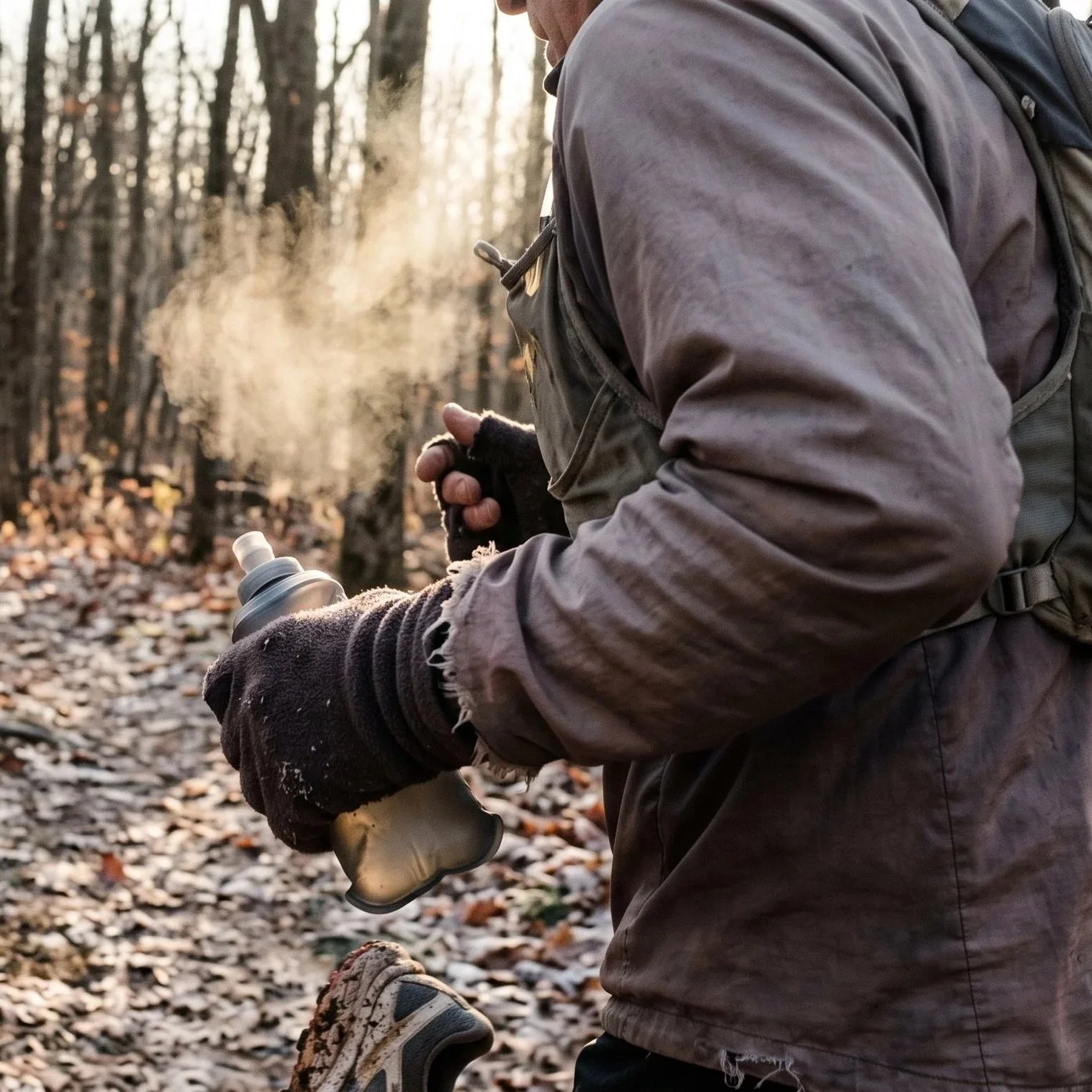
Seventy-Five Days, One at a Time
Instead of taking the winter off from running, I’m adding something: the 75 Hard challenge. Here’s what it is, how it works, and why I’m asking for your support.
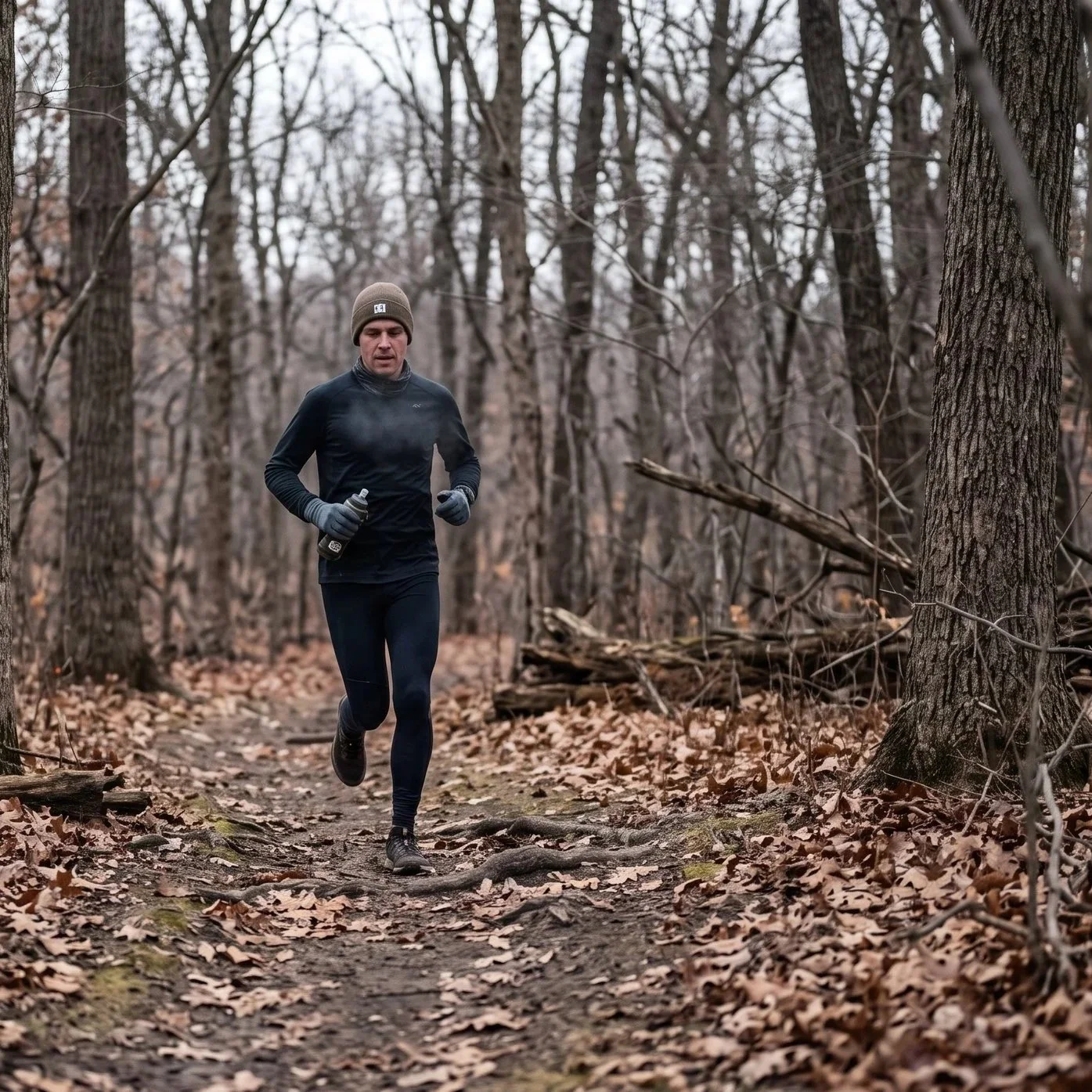
Pick a Number, Then Go Find Out
Every year at Icebox, runners of every shape and size discover the same thing: the mind quits long before the body does. Here’s why a timed loop in the November woods is the place to make hard things the norm.
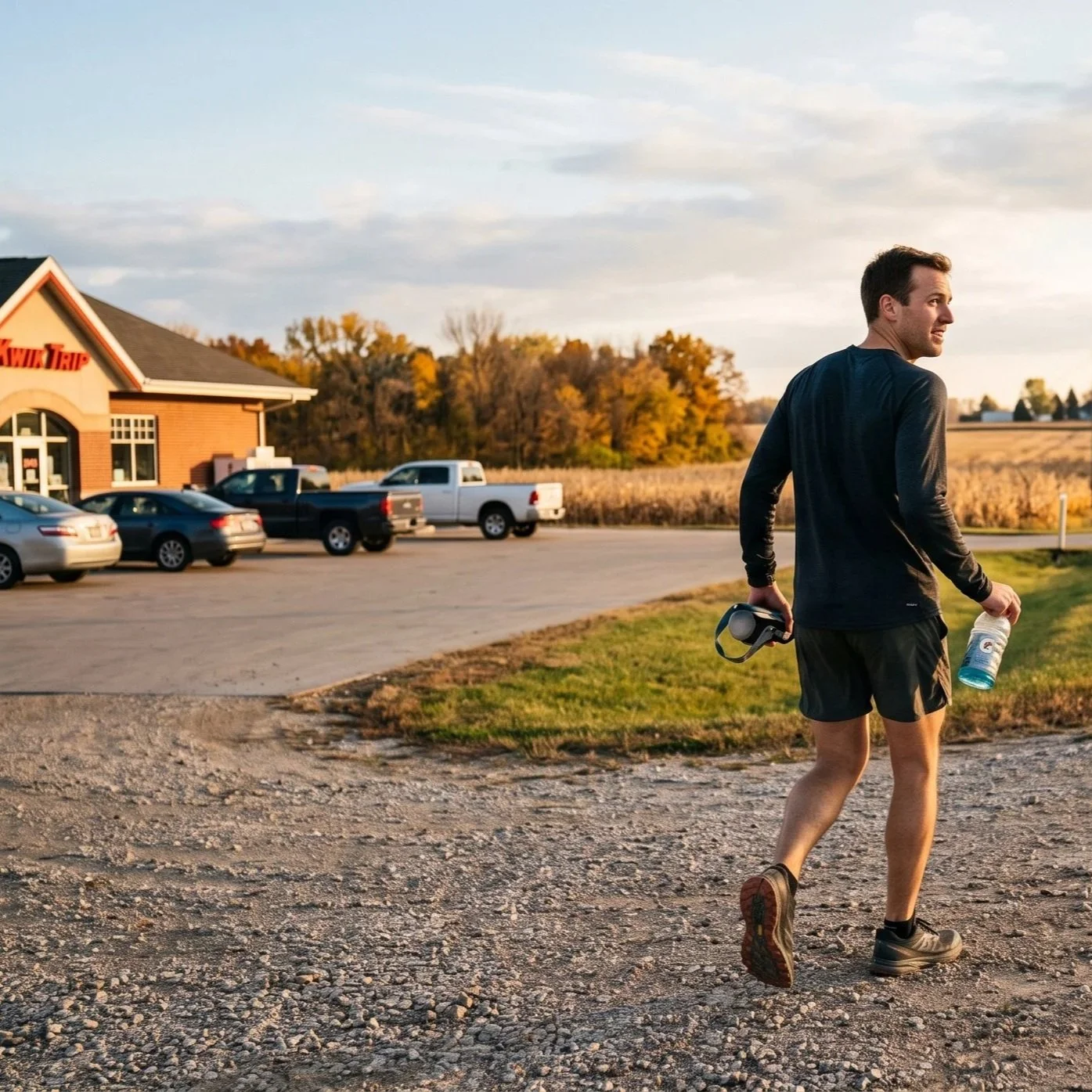
The Next Kwik Trip Is Four Miles Away
Kids know how to turn the gas station a mile away into an expedition. Somewhere along the way we forgot. Here's how I make my own running adventures, one Kwik Trip at a time, and why you should plan yours.
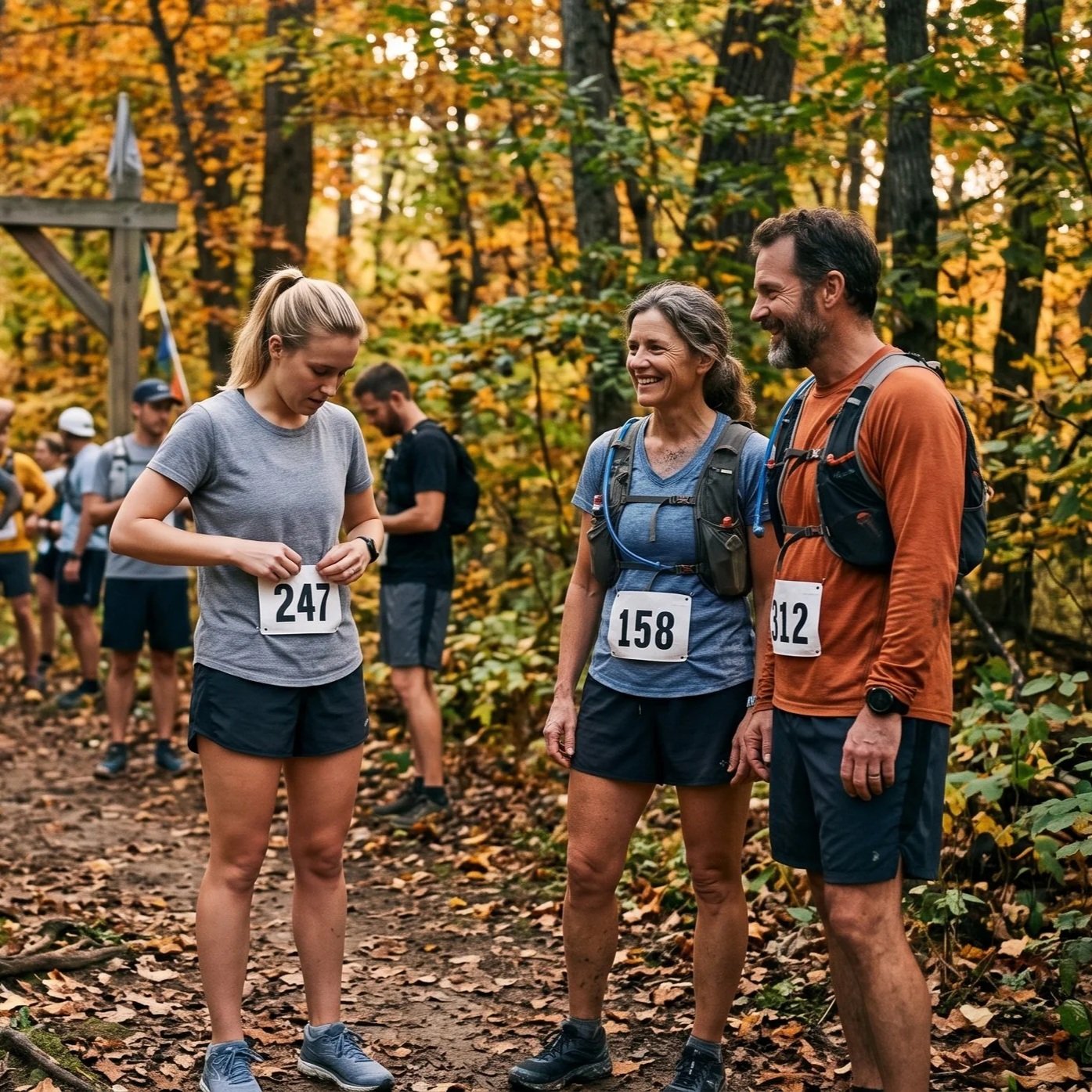
First Timers and Old Hands: Who Makes Our Trail Community
Every race, I watch two groups at the start line: nervous first timers and regulars who've done this for years. Our community needs both, and each makes the other stronger.
The Hills Got Harder. The People Got Better.
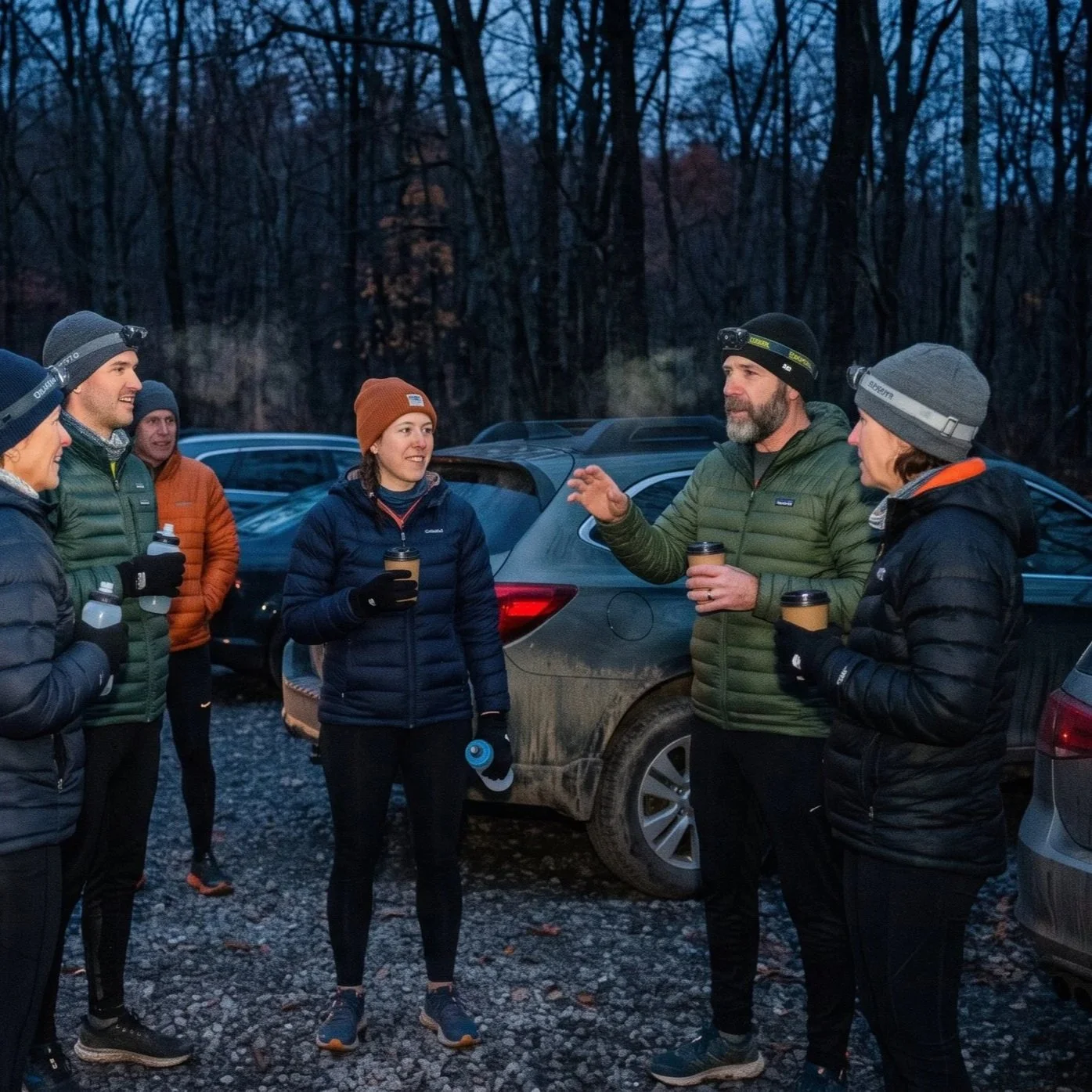
I thought I was building races. What I actually built is a recurring reunion that happens to have a timing mat at one end of it.
I Didn’t Finish Superior. I’d Do It Again.
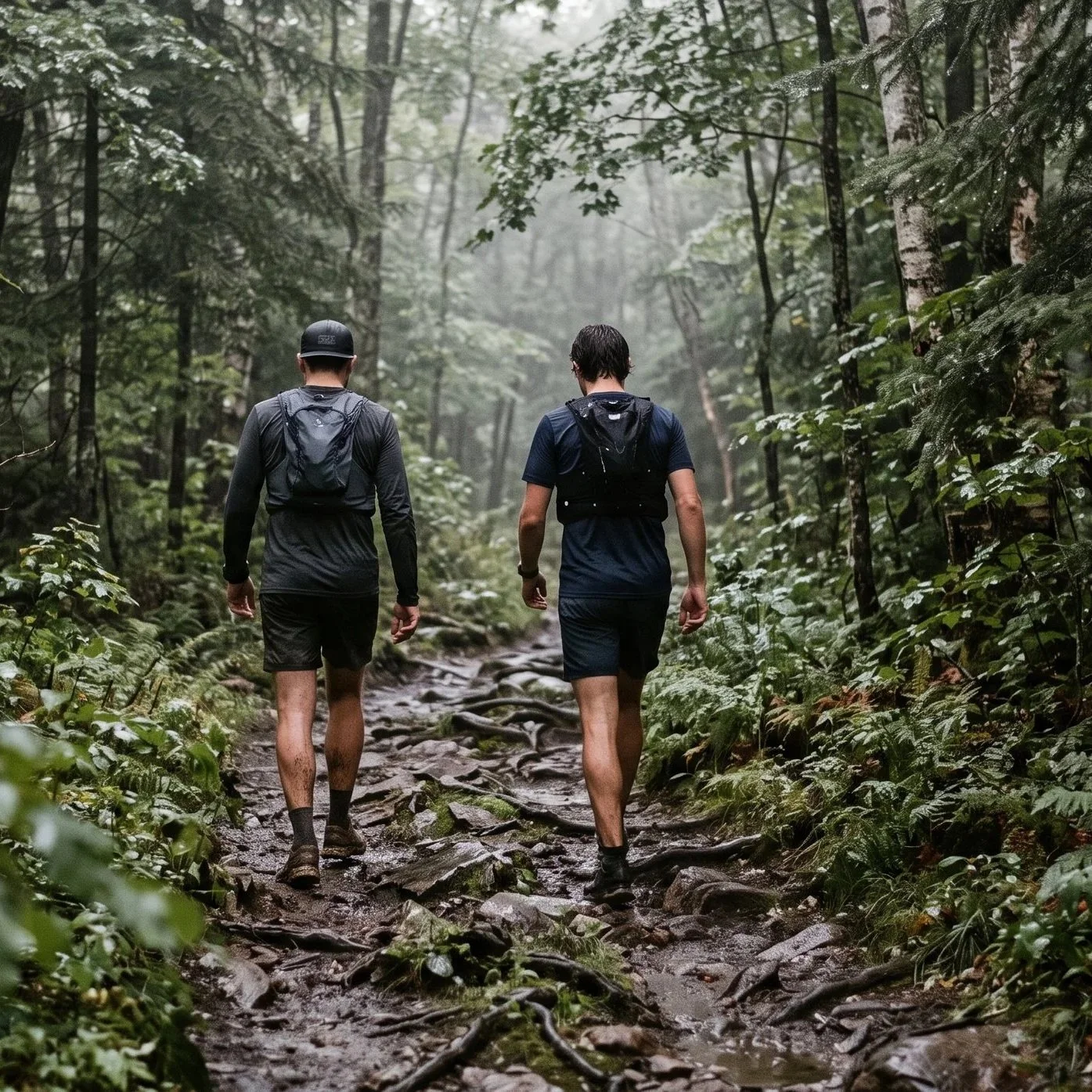
I stopped to walk another runner to the next aid station, and somewhere in those miles my hundred turned into twenty. Here is why I have no regrets.
Five Days Out, Looking for a Way Out
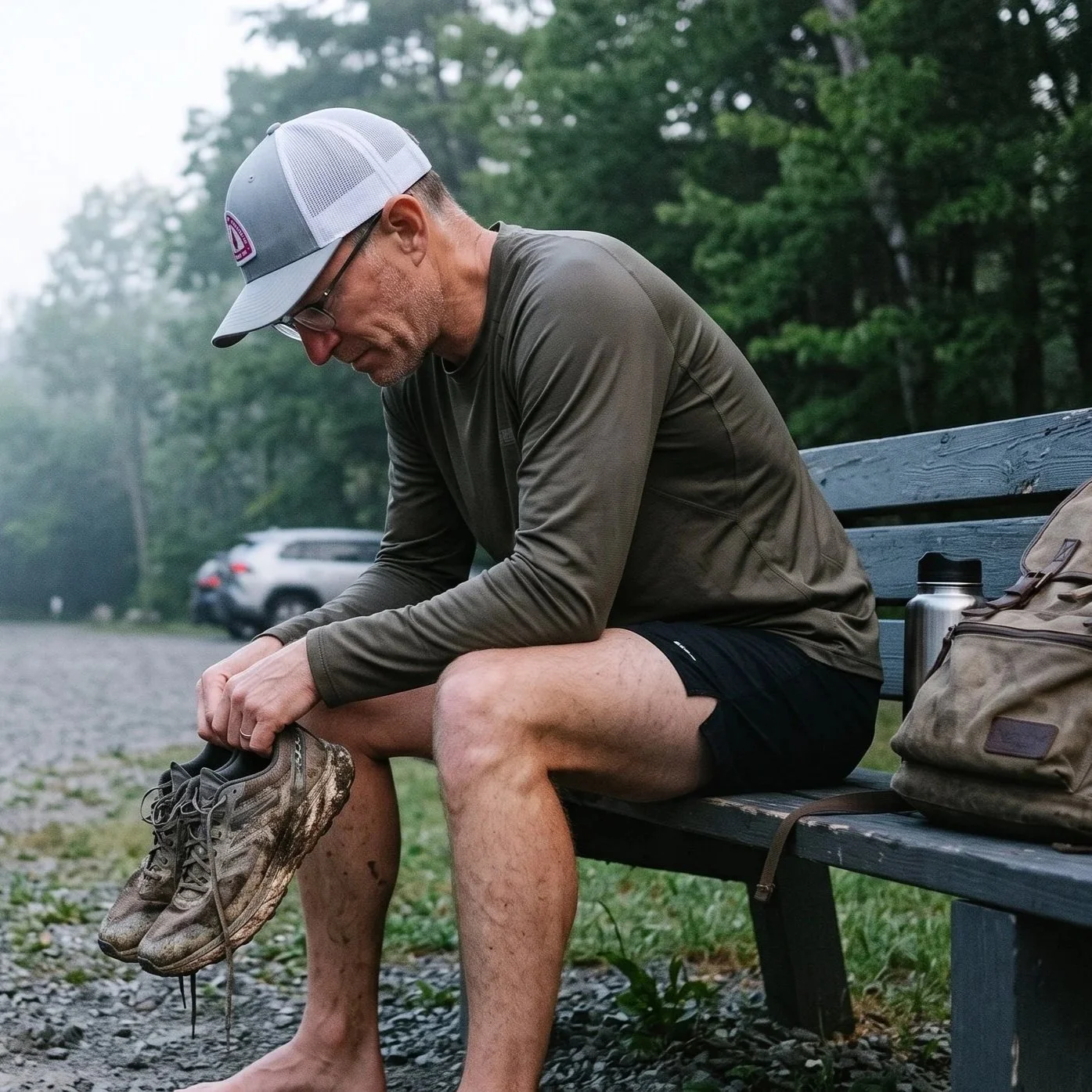
Five days before the Superior 100, every small ache starts to feel like evidence. Here's what that taper-week anxiety actually is, and how to let it pass through instead of grabbing onto it.

The Taper Lies to You
weekend fantasy football draft with 30-year friends, two weeks before Superior 100. Here's why taper anxiety lies, and what to do with the nervous energy instead.

Every Step Is Evidence
Mark Dowdle ran 395 miles over 94 hours to win the Last Soul Ultra, then said something into a camera that I haven't been able to shake all week. Here's what it's teaching me before Superior 100.

The Fall Trio: Three Races, One Last Push Before Winter
Six weeks. Three races. One good stretch of fall to test yourself on the trails before winter closes it down. Here's what In Yan Teopa, Trout Brook, and Icebox each bring to the table.

We Get To, Not We Have To
We complain about hard training runs like they're punishment. They're not. They're a privilege most of the world doesn't get to choose. Here's your reminder to run grateful, not just hard.

Burn the Ships, Not Yourself
The "burn the ships" mantra says remove every way out. But there's a real difference between quitting because it's hard and stopping because something's wrong — and training is where you learn to tell them apart.

Trout Brook: The Willow River You Haven't Seen
A heat wave has us daydreaming about October already. Trout Brook isn’t Willow in the fall; it’s a different race entirely, one that leads you into the single-track corner of Willow River State Park most runners never find.

The Best Long Run I Didn’t Run
Deep in the biggest week of my Superior 100 build, an old friend called with an invite to his cabin. Here's what almost twenty years of running has taught me about letting a race goal become your whole identity — and why the people who knew you first matter more than the miles.

Show Up Healthy, Not Just Tough
A flare-up in the middle of a high-mileage training block got me thinking, again, about the difference between working through an injury and toughing it out, at every race distance.

You vs. You
Too many of us base our worth as runners on how we stack up against everyone else. That's a game you cannot win. The real race is internal, and it's the only one worth running.

Find the Opening
The In Yan Teopa Trail Race is named after a rock with a hole worn straight through it. The more I sit with what that name means, the more it feels like the whole point of showing up.

You Cannot Stop the Rain
There's a stretch of every long run where everything just works, and then, almost out of nowhere, the weather turns. Here's the case for why those low miles might be the best part of the run, if you're willing to jump in the puddle.

The People Who Keep You Moving
A 2-mile loop doesn't sound like much. But at hour twelve of a 24-hour race in 86-degree heat, each one becomes a negotiation — and the only way through is the people who show up.

The Weight Moves Forward
When I was a kid, my dad took me to tractor pulls. I didn't know it then, but I was watching the perfect metaphor for what happens to every endurance runner somewhere in the back half of a very long race.